
A Bosnian Bank's Litigator Turned U.S. Nonprofit Leader
While growing up on the Balkan Peninsula, a position with an immigration organization was never a thought for Amila. Law, yes. Her father was a lawyer, and she planned to take after him.
Though the country was in a recession at her completion of law school, a financial institution had two positions open for professionals with English skills. Thankfully, Amila's mother had enrolled her in language classes at just four years old. With her study experience, a TEFL certificate, and the best English score of the interview pool, Amila secured the position. After two years at the bank, Amila passed the bar exam and officially worked as an attorney. She earned herself the role of the institution's main litigator and eventually head of the bank president's cabinet.
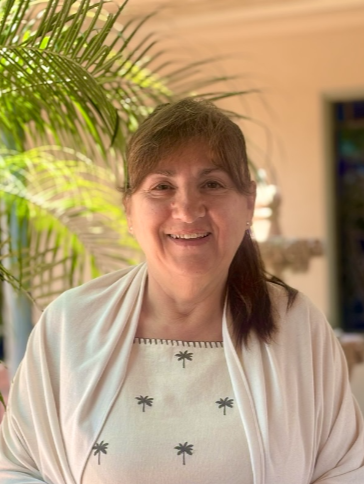
In 1992, however, the life that Amila and her family had built was shaken. Bosnia and Herzegovina declared independence from the collapsed Yugoslavia, and Serb and Yugoslav forced retaliated. Sarajevo, the capital, was beseeched. Amid chaos, Amila's husband negotiated her escape on a small bus with her two young sons. They fled to Croatia for refuge, with her partner eventually able to follow.
Within the year spent in Croatia, Amila managed to find a translation position, representing Bosnians at the refugee office. When the International Rescue Committee's leader came with inquiries, she explained the Bosnians' difficulties with resettlement to the U.S.: Few had relatives or "ties" there. Eager to spread the information, IRC's representative invited Amila for a CNN interview in New York City. Unlike most Bosnians, however, Amila did have a U.S. tie. Whether chance or fate, her brother and his wife had been honeymooning in the United States when Sarajevo was overrun with violence. The couple received asylum from the U.S. and were able to file an affadavit for Amila and her family to join them in Los Angeles. After Amila completed the CNN interview in 1993, she turned down a New York IRC employment offer to reunite with her relatives in LA.
From her own experience of forced displacement and resettlement, Amila became resolved to help others. She found the LA IRC branch and volunteered with them until they found enough funding to secure her a paid position. Amila served as a case worker, a case manager, working her way up to be the Deputy Director of the entire resettlement office. Meanwhile, she worked in the Women's Commission of Refugee Women & Children, lecturing around the U.S. and serving on the board. Amila's impact was honored with the annual Women’s Refugee Commission Award. Applying her formal training to the local community's needs, Amila started the development of IRC's immigration legal department in 1997, which is still active today. Not stopping there, Amila was an active member and chair of the Refugee Forum of Los Angeles, where she led coalition advocacy with the State Refugee Coordinator, along with clinics and other service providers. In meetings of refugee resettlement leaders, Amila also met former IRIS Director, Megan Tumilty [Taylor], which planted a seed for why she is on the team today. As we all know, funding cuts can cause us to lose not only capacity, but really capable, beloved people. In this story, IRC had to let go of Amila. After she fought off sickness and found that IRIS was hiring, though, IRC's loss became our gain.
When asked about a favorite memory of IRIS, Amila's face immediately brightened with a serene happiness as she described entering the IRIS gates on a sunny day for her interview. In her words, she "felt God's love upon entering," and "felt at home for the first time." After that meeting, Megan immediately went to the Bishop for his stamp of approval on the hire. She got it.
Amila started as IRIS' Immigration Legal Practitioner, then became a Senior Accredited Representative, and eventually the Immigration Legal Department Manager, as we are retiring her from this August. When Amila started in 2016, the legal department had served 1,800 people. Now, they have assisted almost 6,000 people with securing a stable legal status. She recalls a particularly impactful case in which her persistence and encouragement were able to empower a woman to overcome her hopelessness about her case. With Amila's coaching, the woman attended citizenship classes, applied for naturalization with IRIS, and passed the necessary exams. The woman returned in gratitude, claiming that she never would have tried without IRIS's support.
For Amila, this work "is not just a job, it's a passion." And who knows, maybe she'll miss it in retirement, and we can recruit her back for volunteering. What we do know is that her time will be well spent, including travel for family, growing a flower garden and possibly even enjoying the fruit of her own raspberry bush. Though her journey has been far from what she expected, in each step, Amila has directed her efforts to better people's lives. We at IRIS wish that all the love she's given to others finds her in retirement, tenfold.